BasideWT- Whole Home Water Filtration System & Replacement


Can You Drink Softened Water? Safety, Health Benefits & Common Myths
Yes, you can drink softened water, and for the vast majority of households, it is completely safe. Still, the full answer depends on your health situation, your sodium sensitivity, and how your softener is set up. This article breaks down exactly what happens to your water when it passes through a water softener system, who should drink it without a second thought, and who may want to take a few extra precautions.
Hard water leaves behind scale, dulls your skin, and shortens the life of your appliances. That is why so many homeowners and businesses install a softener in the first place. But once the calcium and magnesium disappear, a new question follows naturally: is the water that comes out the other end still good to drink? Let’s look at the science, the myths, and the practical guidance you actually need.
Can You Drink Softened Water?
The short answer is straightforward. Softened water is safe to drink for most healthy adults and children. Municipal water suppliers and independent water treatment researchers consistently confirm that the ion exchange process used in home softeners does not introduce anything toxic or dangerous into your water.
That said, softening does change the mineral makeup of your water. Calcium and magnesium are swapped for sodium, and the amount of added sodium depends on how hard your source water was to begin with. For someone managing high blood pressure or following a strict low-sodium diet, this small increase might matter. For everyone else, it typically does not.
So caution is rarely about safety in the traditional sense. Instead, it is about personal dietary needs. If you fall into a sensitive group, later sections in this article explain what to watch for and which alternatives exist.
How Water Softening Changes Drinking Water
Understanding what softening actually does helps explain why the sodium question comes up so often. A whole house water softener uses a process called ion exchange to remove hardness minerals from your water supply.
Here is how it works in practice. Hard water flows through a resin tank filled with tiny negatively charged beads. These beads attract and hold onto calcium and magnesium ions, since both carry a positive charge. In exchange, the resin releases sodium ions into the water. This swap is what makes water feel “soft,” and it is also what introduces the sodium that raises questions among health-conscious consumers.
Some homeowners choose potassium chloride instead of sodium chloride as the regenerating agent. This swaps hardness minerals for potassium rather than sodium, which can be a helpful option for people watching their sodium intake.
The table below illustrates what changes and what stays the same during softening.
| Element | Hard Water | Softened Water |
|---|---|---|
| Calcium | Present, often high | Removed or greatly reduced |
| Magnesium | Present, often high | Removed or greatly reduced |
| Sodium | Naturally low | Increased through ion exchange |
| Potassium (if used) | Not present | Increased if potassium chloride is used |
| Taste | Can feel mineral-heavy | Often described as smoother |
| Scale-forming ability | High | Very low |
As you can see, softening is a targeted mineral exchange rather than a filtration process. It does not remove bacteria, chlorine, or other contaminants, which is an important distinction we will return to later.
Is Softened Water Safe for Everyday Drinking?
Safety questions naturally vary by person. Let’s walk through the groups that matter most.
Healthy adults generally have nothing to worry about. The sodium added through softening is small compared to what most people consume through food each day. A typical softened water sample adds only a modest amount of sodium per liter, far below the sodium most people get from meals, snacks, and processed food.
Children can also drink softened water safely in normal household use. Pediatric guidance does not flag typical residential softening as a concern for healthy kids, since their overall dietary sodium intake remains the dominant factor.
Elderly individuals should pay closer attention if they are managing blood pressure or cardiovascular conditions. Because sodium sensitivity often increases with age, checking with a doctor is a sensible step before making softened water a daily habit.
People on low-sodium diets are the group most likely to need an alternative. If a physician has prescribed a strict sodium limit, even small additions can matter. In these cases, using a salt-free water souioftener or installing a dedicated drinking water tap can help you keep softened convenience without the sodium tradeoff.
People with kidney disease should always consult their healthcare provider first. Kidneys regulate sodium and potassium balance, so any change in mineral intake deserves individual medical guidance rather than general advice.
None of this information should replace a conversation with your doctor. What it does offer is a realistic picture: softened water is not inherently risky, but a handful of specific health situations call for extra thought.
Health Benefits of Softened Water
It helps to be precise here. Softened water does not offer direct medical benefits the way a supplement or medication might. Instead, its advantages are practical and household-focused, and they add up in ways many homeowners appreciate every day.
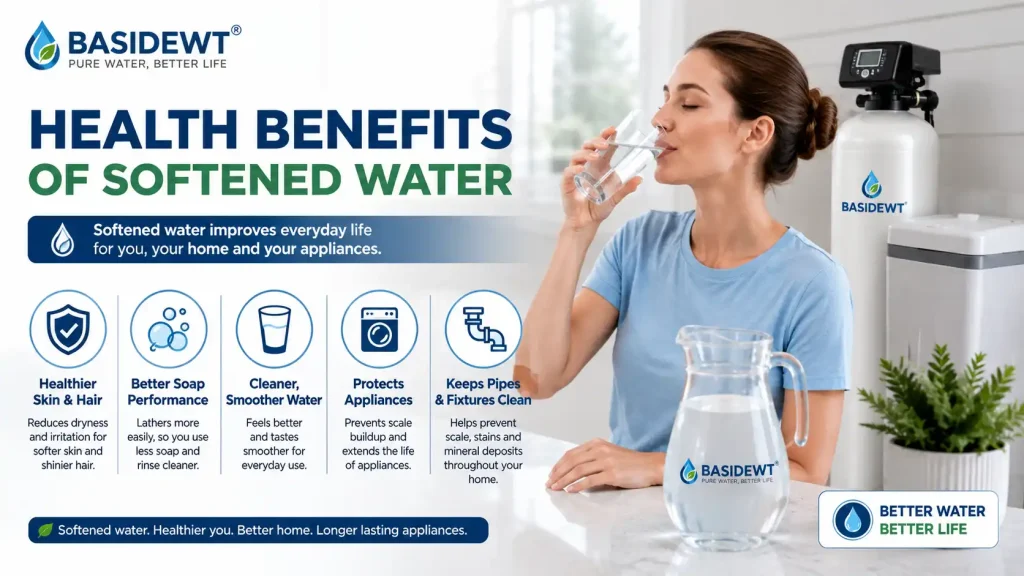
Reduced scale buildup is the most obvious benefit. Without calcium and magnesium clogging pipes and appliances, water heaters, dishwashers, and washing machines tend to run more efficiently and last longer.
Soap and detergent also work better in soft water. Hard minerals interfere with lathering, which means you often need more shampoo, dish soap, or laundry detergent to get the same results. Softened water cuts down on that waste.
Fixtures stay cleaner too. Spotting on glassware, cloudy shower doors, and mineral rings in sinks are classic signs of hard water. A properly functioning soft water system helps prevent these issues from building up in the first place.
So while you should not expect softened water to improve your health directly, the household-level benefits are real, measurable, and often the main reason people invest in a softener at all.
Common Myths About Drinking Softened Water
Misinformation travels quickly, especially around anything involving salt. Let’s separate fact from fiction.
Myth: Softened water is unhealthy. In reality, mainstream water treatment research does not support this claim for the general population. The sodium increase is modest, and softening does not introduce toxins or harmful byproducts.
Myth: Softened water contains too much salt to drink safely. Although sodium does increase, the amount is usually far lower than people assume. A single slice of bread often contains more sodium than a full glass of softened water.
Myth: Softened water is unsafe for everyone. As covered earlier, only specific groups need to exercise caution, and even then, simple adjustments like potassium chloride regeneration can resolve the concern.
Myth: Softened water tastes bad. Many people report the opposite. Because calcium and magnesium can create a heavy or mineral-forward taste, softened water often tastes smoother and cleaner by comparison.
Clearing up these myths matters because they can discourage people from softening their water even when it would genuinely improve their home’s plumbing and daily comfort.
Should You Use Additional Drinking Water Filtration?
Softening and filtration solve different problems, so it is worth understanding where each one fits. A softener targets hardness minerals specifically. It was never designed to remove chlorine, sediment, bacteria, or other contaminants that might be present in your source water.
If you want water that is optimized purely for drinking and cooking, pairing your softener with a dedicated filtration system makes sense. Reverse osmosis is one of the most popular choices, since it removes a wide range of dissolved contaminants, including much of the added sodium from softening.
According to the World Health Organization’s drinking water quality guidelines, sodium levels in water are primarily assessed for taste rather than direct toxicity concerns for the general population, though certain sensitive groups are advised to monitor intake more closely. This distinction reinforces why filtration is a personal choice rather than a universal requirement.
For most households, softened tap water is perfectly fine to drink straight from the faucet. Adding filtration is more about preference, taste refinement, or specific dietary needs than it is about closing a safety gap.
Expert Tips Before Drinking Softened Water
A few practical habits can help you get the most out of your softened water, whether you’re managing a single-family home or a commercial facility.
First, test your water periodically. Knowing your source water hardness and sodium levels gives you a clearer picture of what your softener adds, rather than relying on assumptions.
Second, consider potassium chloride if sodium is a concern. Many water treatment systems can switch regenerating agents with minimal adjustment, giving sodium-sensitive households a straightforward alternative.
Third, keep a separate cold-water tap unsoftened if you want a simple, no-cost option. Many plumbing setups allow one kitchen line to bypass the softener entirely, giving you a hardness-free choice for drinking without altering the mineral balance.
Fourth, maintain your system properly. A well-maintained softener performs the ion exchange process consistently, which keeps sodium levels predictable rather than fluctuating unexpectedly.
Finally, talk to your doctor if you have specific health conditions. General guidance is useful, but personalized medical advice always takes priority when sodium intake matters for your treatment plan.
Conclusion
So, can you drink softened water? For the overwhelming majority of people, yes, and comfortably so. The ion exchange process behind every water softener system swaps calcium and magnesium for a modest amount of sodium, which rarely poses a health risk for healthy adults, children, or general household use. The exceptions are narrow and manageable, mainly involving strict low-sodium diets or specific medical conditions where a doctor’s input is valuable.
Beyond the safety question, softened water brings real, everyday advantages: fewer appliance repairs, better soap performance, and cleaner fixtures throughout your home. If you want to explore how softening fits into the bigger picture of home water treatment, our complete water softener system guide walks through everything from system types to buying considerations, helping you make a confident, well-informed decision for your household or business.
RELATED POSTS
What Cartridge Water Filter Removes Sodium?
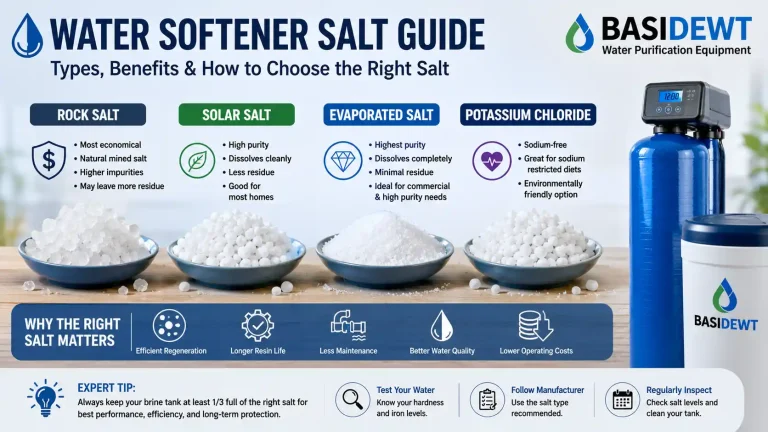
Water Softener Salt Guide: Types, Benefits & How to Choose the Right Salt

How Does a Water Softener System Work? Step-by-Step Guide
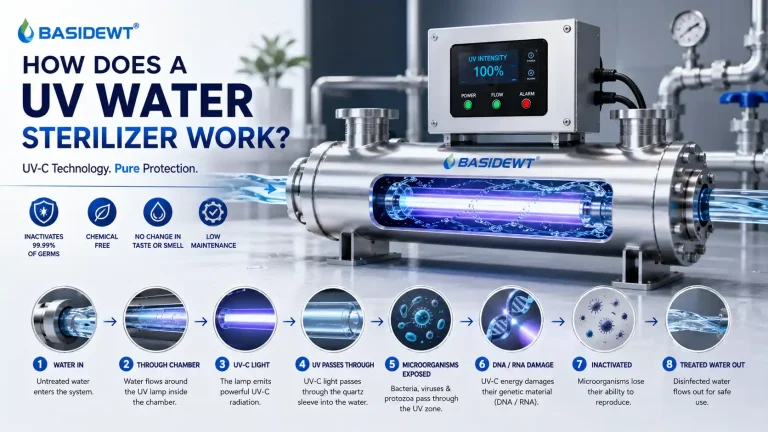
How Does a UV Water Sterilizer Work? Step-by-Step Guide
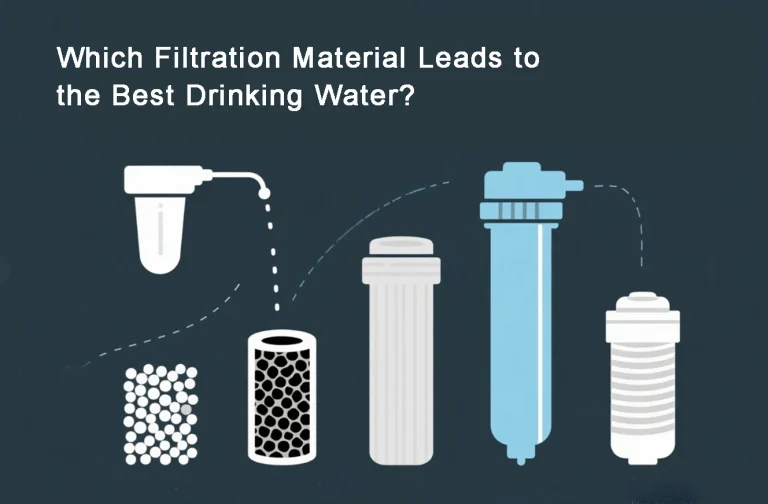
Which Filtration Material Leads to the Best Drinking Water?