BasideWT- Whole Home Water Filtration System & Replacement


Home RO System: A Complete Guide to Clean and Safe Drinking Water at Home
Clean drinking water is one of the most important parts of a healthy lifestyle. However, many households still deal with hard water, chlorine, heavy metals, bacteria, and other contaminants that affect water quality. This is why more homeowners are now investing in a home RO system to improve the safety and taste of their water.
Whether you are looking for the best RO system for home, planning to install a whole home RO system, or simply trying to understand what reverse osmosis technology does, this guide covers everything you need to know in simple terms.
A modern RO filtration setup can help remove impurities, improve water taste, protect household appliances, and provide cleaner water for daily use. With growing concerns about water contamination, choosing the right filtration system has become more important than ever.
What Is a Home RO System?
A home RO system is a water purification system that uses reverse osmosis technology to remove dissolved solids, chemicals, heavy metals, bacteria, and other harmful contaminants from water.
The process works by pushing water through a semi-permeable membrane that filters out unwanted particles while allowing clean water to pass through.
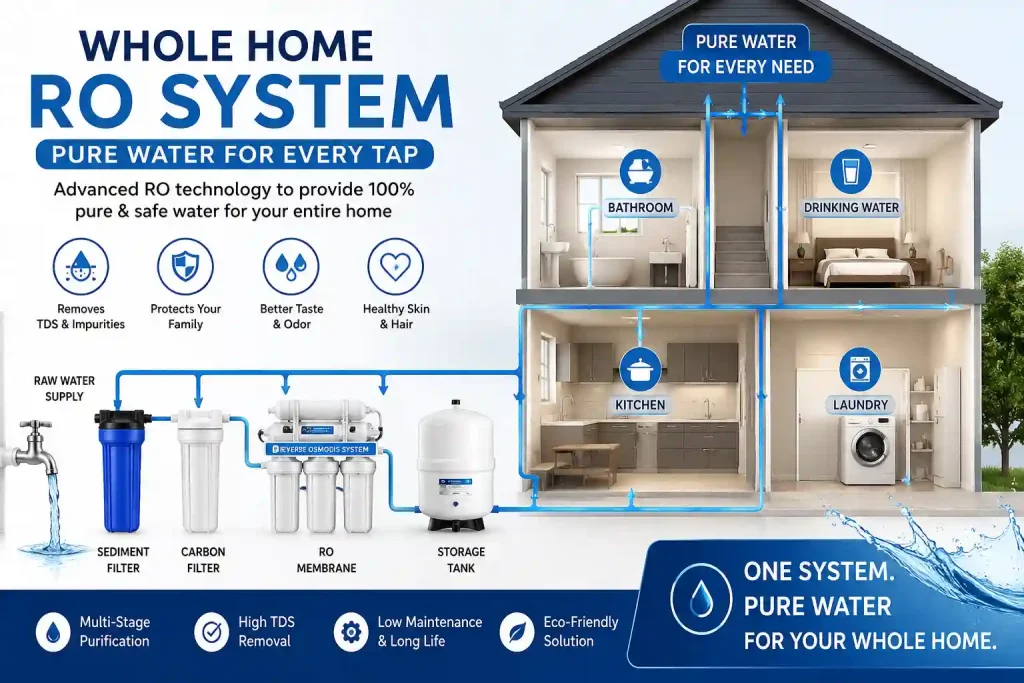
Most RO systems include several filtration stages, such as:
- Sediment filtration
- Carbon filtration
- Reverse osmosis membrane filtration
- Post-carbon polishing
- Optional UV sterilization
Many homeowners choose a RO system because it can significantly improve water quality, especially in areas with poor municipal water or well water issues.
For advanced residential filtration options, homeowners often explore systems like the Water Filtration Systems category to compare different purification technologies.
Why More Homeowners Are Installing RO Systems
Water quality problems are becoming more common in many regions. Even treated municipal water may still contain chlorine, lead, fluoride, microplastics, or high TDS levels.
A reliable ro system for home helps solve these problems by delivering cleaner and safer drinking water directly from your tap.
Common Reasons People Install RO Systems
Better Drinking Water Quality
RO filtration improves taste, smell, and clarity by reducing impurities.
Protection Against Contaminants
Reverse osmosis systems help remove:
- Lead
- Arsenic
- Nitrates
- Chlorine
- Heavy metals
- Sediment
- Certain bacteria and viruses
Reduced Plastic Bottle Usage
Many families switch to RO water to reduce dependence on bottled water.
Improved Appliance Performance
Cleaner water can reduce mineral buildup in coffee machines, kettles, and other appliances.
Long-Term Savings
Although there is an initial investment, many homeowners save money over time compared to buying bottled water.
Understanding How Reverse Osmosis Works
Reverse osmosis uses pressure to force water through a specialized membrane that blocks contaminants.
The filtration process usually includes multiple stages:
1. Sediment Filter
This stage removes dirt, rust, and larger particles.
2. Carbon Filter
Carbon filters reduce chlorine, odors, and organic compounds.
3. RO Membrane
The membrane removes dissolved solids and microscopic contaminants.
4. Post Filter
This final stage improves water taste before consumption.
Some systems also include UV sterilization for extra protection against microorganisms. Products such as the UV Water Sterilizer are often used in advanced filtration setups.
Types of RO Systems for Homes
Different households require different water treatment solutions. Understanding the available options helps homeowners choose the right system.
Under Sink RO Systems
These compact systems are installed beneath the kitchen sink and are ideal for drinking and cooking water.
A product like the Under Sink RO Purifier is a popular solution for modern homes with limited space.
Best For:
- Apartments
- Small homes
- Kitchen drinking water
Whole Home RO System
A whole home RO system filters water for the entire house rather than just one faucet.
These systems are commonly used in homes with:
- High TDS levels
- Well water
- Hard water problems
- Large families
Whole-house filtration solutions can be explored through the Whole House Water Filter System category.
Benefits of Whole Home RO Systems
- Cleaner shower water
- Better laundry performance
- Reduced scale buildup
- Improved water quality in every room
- Protection for plumbing systems
How to Choose the Best RO System for Home
Choosing the best ro water system for home depends on several important factors.
Water Quality
Start with a water quality test to identify contaminants and TDS levels.
Using tools like a TDS Meter for Water Testing helps homeowners understand their water condition before purchasing a system.
Household Size
Larger families need systems with higher filtration capacity and storage.
Installation Space
Some systems require more room, especially whole-house setups.
Maintenance Requirements
RO systems need filter and membrane replacements periodically.
Water Pressure
Low water pressure may require a booster pump.
Filtration Stages
More filtration stages often provide better purification performance.
Benefits of Installing a Home RO System
Cleaner and Safer Water
RO systems remove harmful substances that standard filters may miss.
Better Taste and Odor
Water tastes fresher after chlorine and contaminants are removed.
Eco-Friendly Choice
Using filtered tap water reduces plastic waste from bottled water.
Healthier Cooking
Clean water improves food preparation and beverage quality.
Reduced Hard Water Effects
When paired with softening systems, RO units can help reduce scale buildup.
Some homeowners combine RO systems with a Water Softener System for more complete water treatment.
Common Water Problems a Home RO System Can Solve
High TDS Levels
RO membranes are effective at reducing dissolved solids.
Chlorine Taste
Carbon filtration removes unpleasant chemical taste and smell.
Heavy Metals
Lead and arsenic contamination can be reduced significantly.
Hard Water
RO systems paired with softeners help improve water quality.
Well Water Issues
Well water may contain bacteria, sediment, and nitrates that require advanced filtration.
Systems such as the Well Water Reverse Osmosis System are designed specifically for these conditions.
Common Mistakes to Avoid When Buying an RO System
Choosing the wrong filtration system can lead to poor performance and higher maintenance costs.
Ignoring Water Testing
Always test water before selecting a system.
Buying Based Only on Price
Cheap systems may not provide reliable filtration or long-term durability.
Choosing the Wrong Size
A system that is too small may struggle to meet household demand.
Skipping Maintenance
Filters and membranes must be replaced regularly for proper performance.
Overlooking Installation Requirements
Some systems require additional plumbing space or water pressure support.
Maintenance Tips for Long-Term Performance
Proper maintenance keeps a home ro system operating efficiently.
Replace Filters on Time
Sediment and carbon filters usually require replacement every 6–12 months.
Monitor TDS Levels
Regular testing helps confirm system performance.
Sanitize the System
Periodic cleaning prevents bacterial buildup.
Check Water Pressure
Low pressure may reduce filtration efficiency.
Replace RO Membranes
RO membranes typically last 2–3 years depending on water quality.
Many homeowners purchase replacement components from categories such as RO Membranes for long-term maintenance.
Is a Whole Home RO System Worth It?
For households dealing with severe water contamination, high TDS, or well water issues, a whole home ro system can be an excellent investment.
Although installation costs are higher, the long-term benefits often include:
- Better water quality throughout the house
- Improved appliance lifespan
- Reduced plumbing maintenance
- Cleaner bathing water
- Healthier drinking water
For many families, the convenience and protection outweigh the initial cost.
The Future of Home Water Filtration
Water filtration technology continues to improve with smarter monitoring systems, energy-efficient filtration, and advanced membrane designs.
Modern homeowners are increasingly prioritizing:
- Sustainable water solutions
- Lower maintenance systems
- Smart filtration monitoring
- Multi-stage purification
As awareness about water quality grows, the demand for advanced residential RO systems is expected to continue rising.
Conclusion
A high-quality home ro system can make a major difference in water quality, health, and daily comfort. Whether you need a simple under-sink unit or a complete whole home ro system, choosing the right setup depends on your water condition, household needs, and long-term goals.
The best systems not only improve drinking water but also help protect appliances, plumbing, and overall household health. By understanding how RO filtration works and avoiding common mistakes, homeowners can make smarter decisions and enjoy cleaner water every day.
If you are exploring advanced filtration options, RO membranes, water softeners, or whole-house systems, investing in the right solution today can provide long-term benefits for your home and family.
RELATED POSTS
Whole House Water Softener Cost
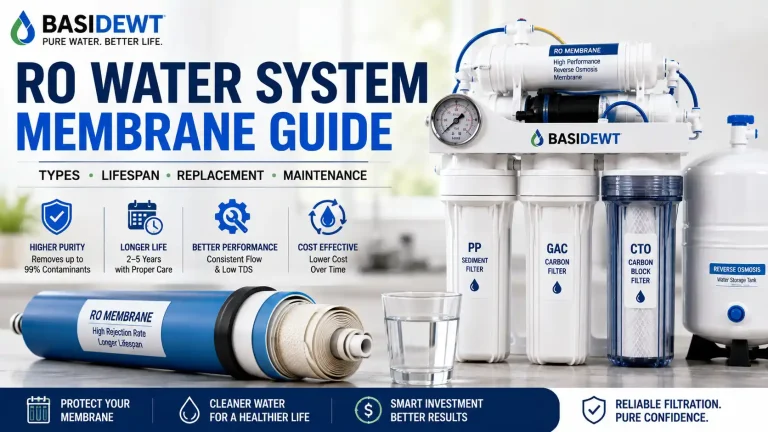
RO Water System Membrane Guide: Types, Lifespan, Replacement & Maintenance
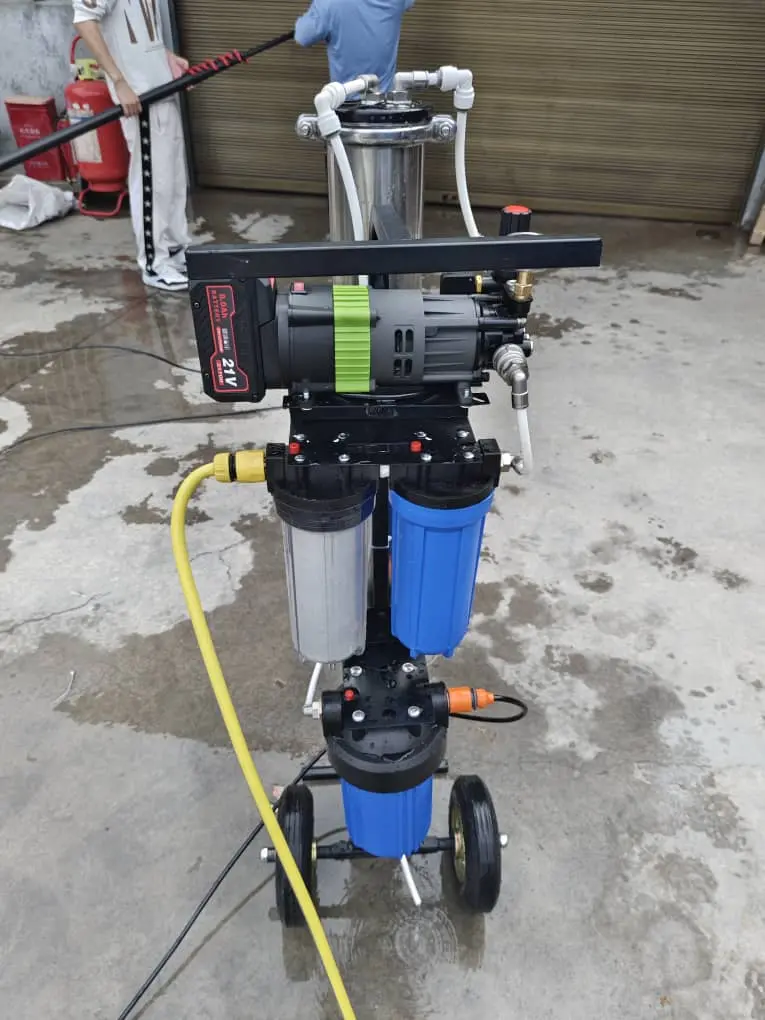
Water Fed Pole System Setup: A Complete Equipment and Connection Guide
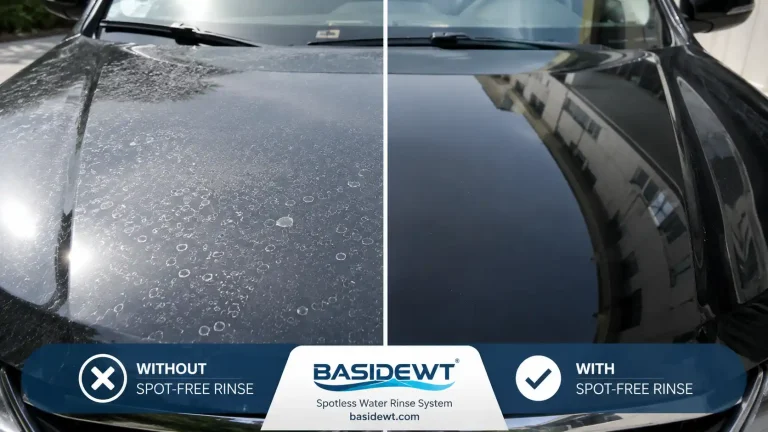
Why Do Cars Get Water Spots After Washing?
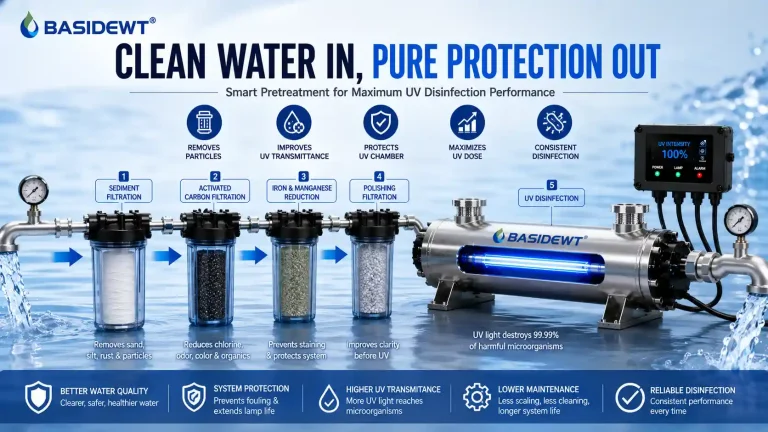
UV Water Sterilizer Pretreatment: What Filtration Is Needed Before UV?